RSH reference / 03
Imagery.
Form, in the open.
A field of points, sculptural sources and room to read. These still specimens use the site’s geometry functions. They explain the construction; they are not captures of the complete WebGL experience.
01 / Field atlas
One language. Seven conditions.
Use form to give an idea shape. Use space to keep it readable. The same geometry can carry a whole composition or a deliberate detail, but its construction should remain recognisable.
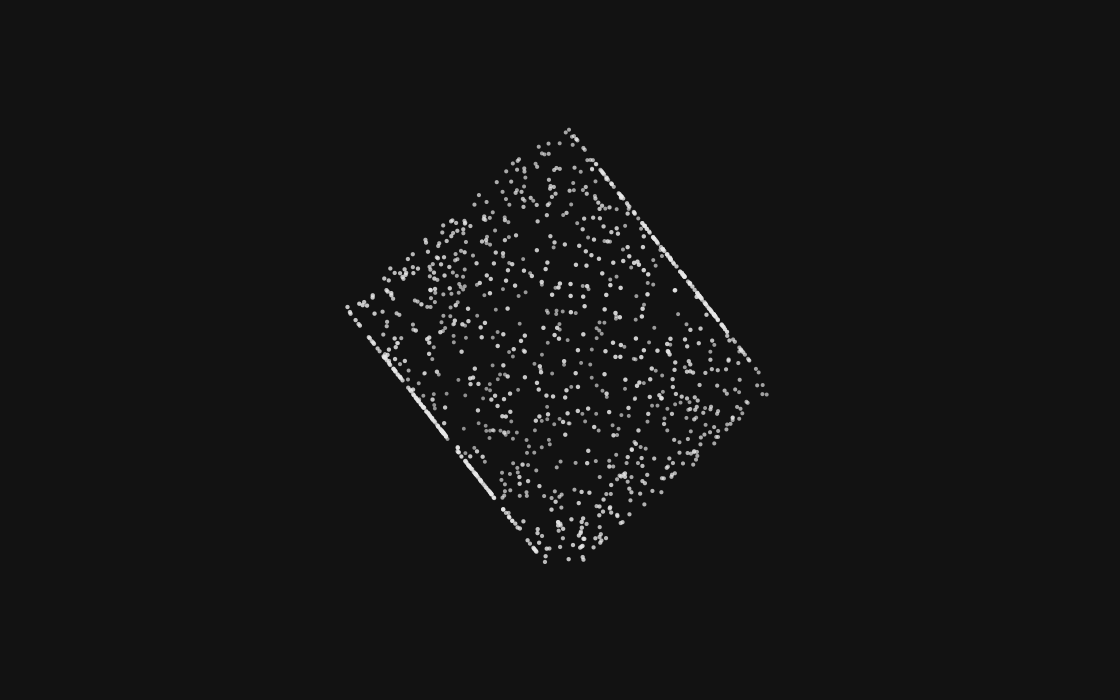
octahedron / selected reference
Clear structure
Open a defined idea with a complete, legible silhouette.
1,100 points · geometry.ts → field-octahedron.svg · preserve the authored viewBox
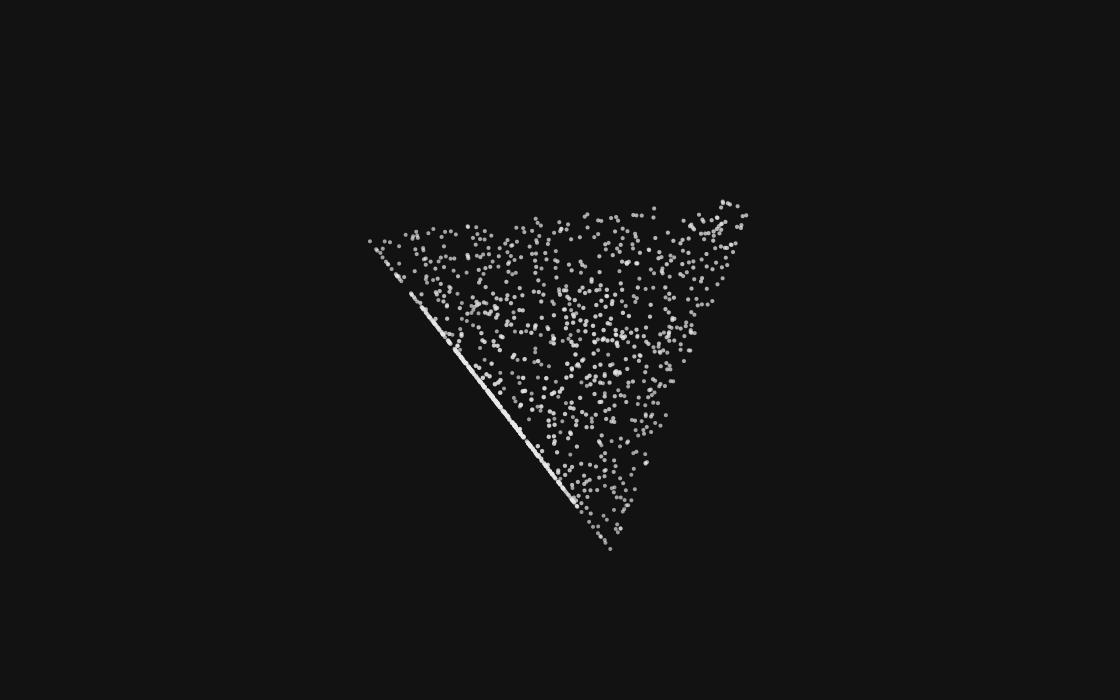
tetrahedron / selected reference
Directional gesture
A compact, pointed form for a deliberate transition.
1,100 points · geometry.ts → field-tetrahedron.svg · preserve the authored viewBox
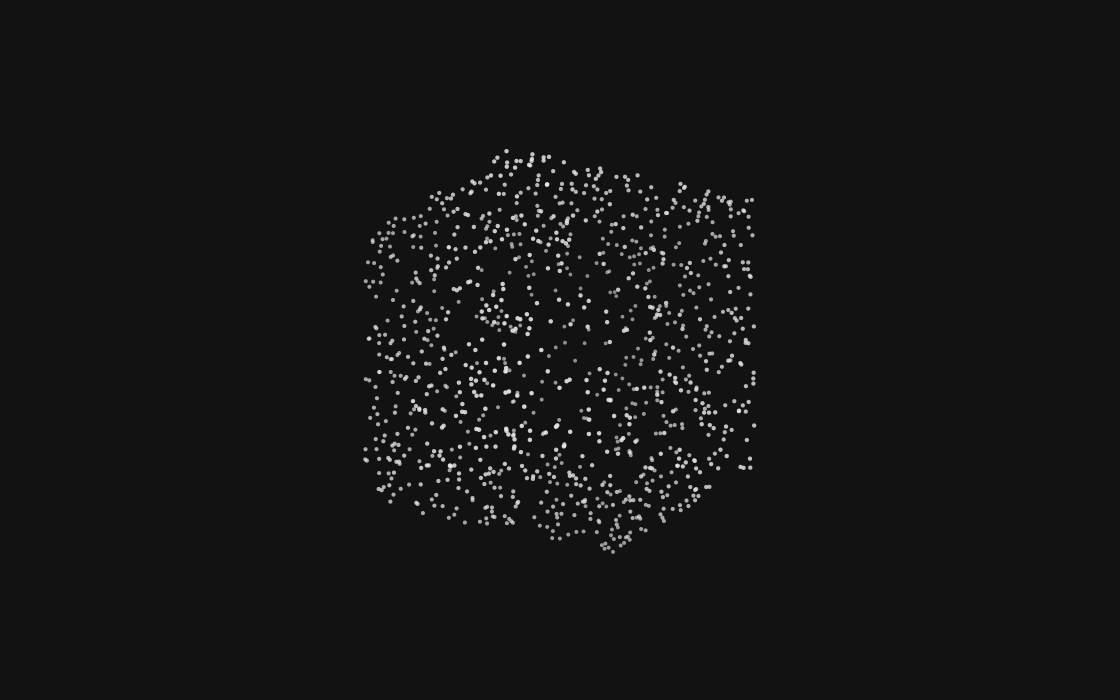
cube / selected reference
Measured surface
Ordered volume, a visible edge, or an explicitly labelled detail.
1,100 points · geometry.ts → field-cube.svg · preserve the authored viewBox
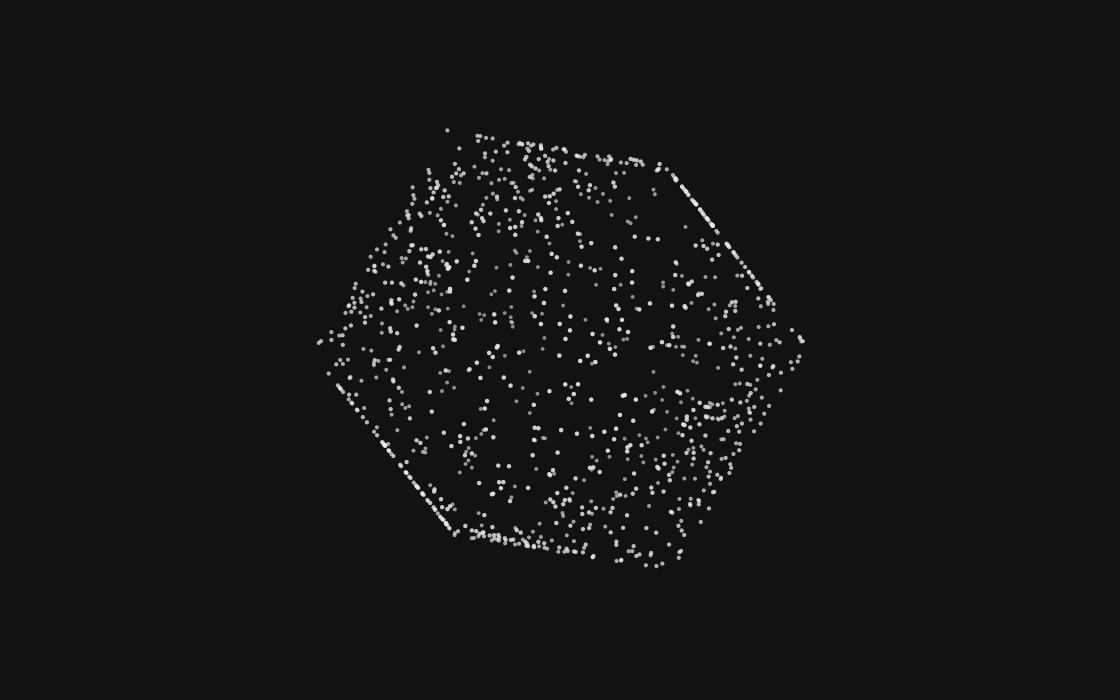
icosahedron / selected reference
Faceted volume
Leave enough space for the facets to read as one body.
1,100 points · geometry.ts → field-icosahedron.svg · preserve the authored viewBox
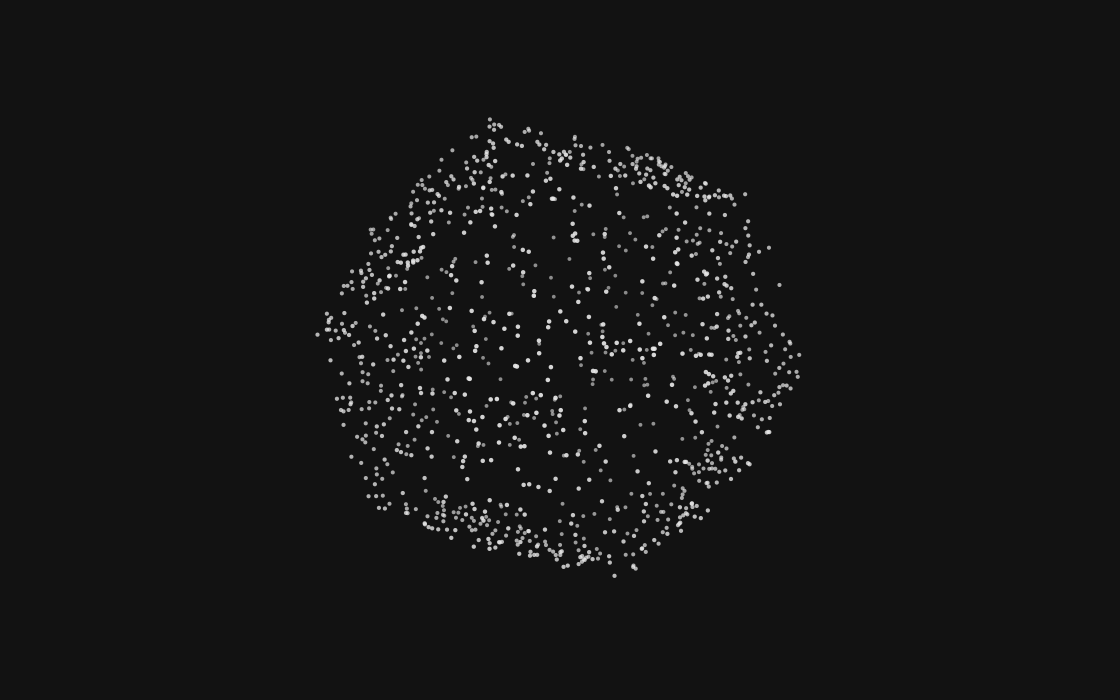
dodecahedron / selected reference
Dense assembly
Keep the whole silhouette when the construction is the subject.
1,100 points · geometry.ts → field-dodecahedron.svg · preserve the authored viewBox
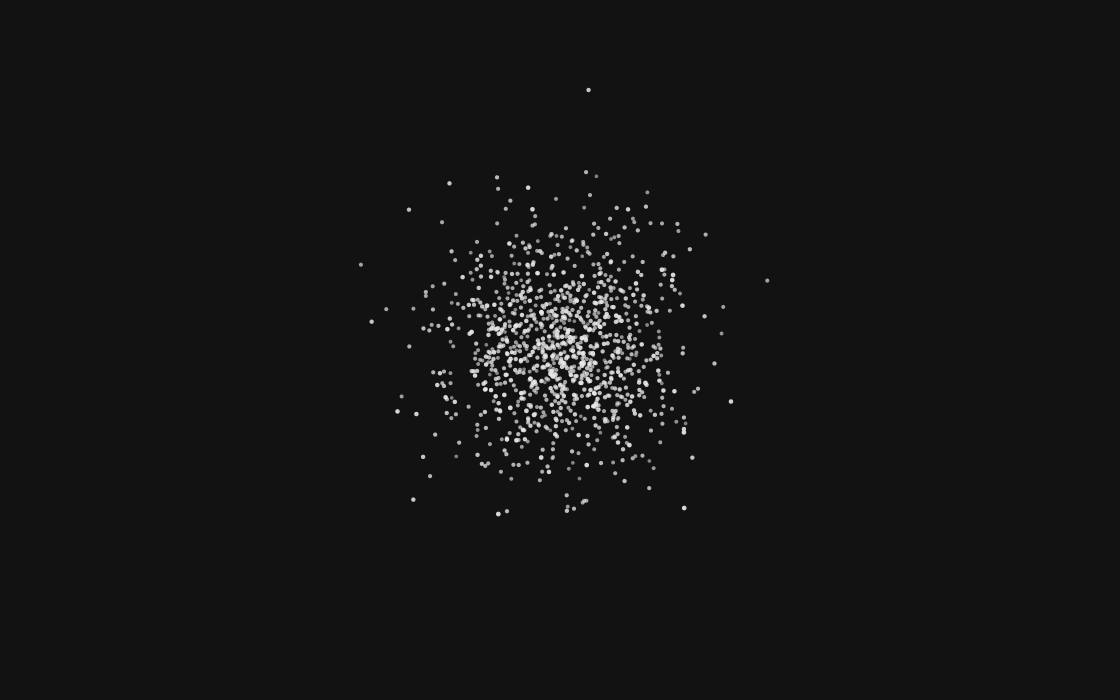
scatter / selected reference
Open condition
An unresolved field before form; keep reading space clear.
1,100 points · geometry.ts → field-scatter.svg · preserve the authored viewBox
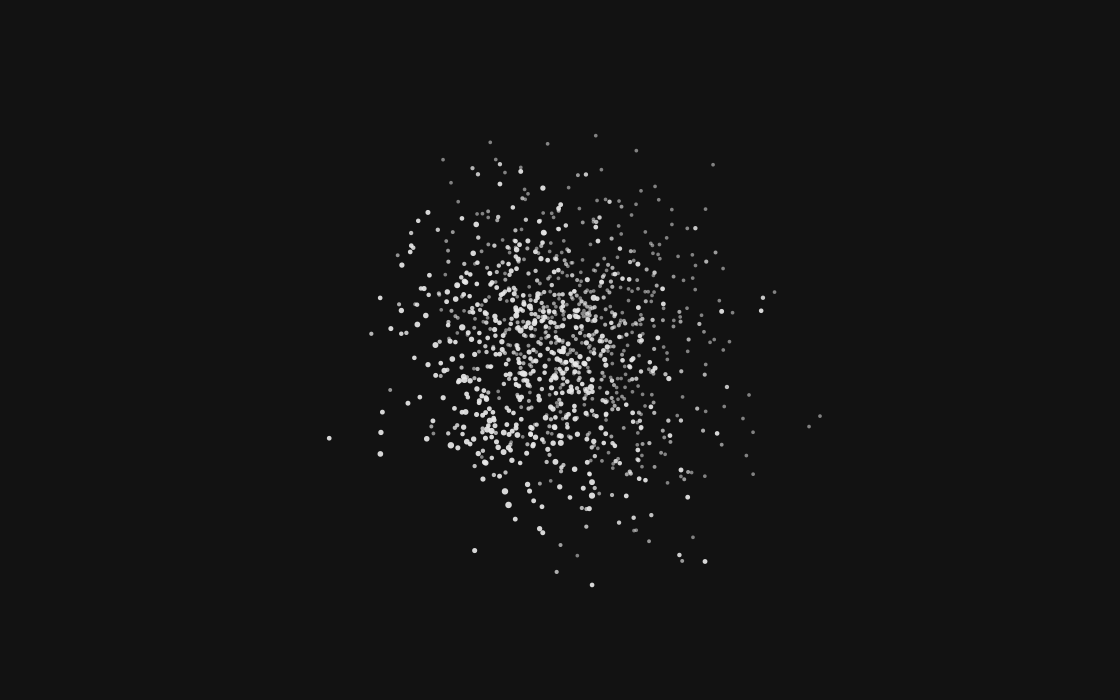
void / selected reference
Quiet interval
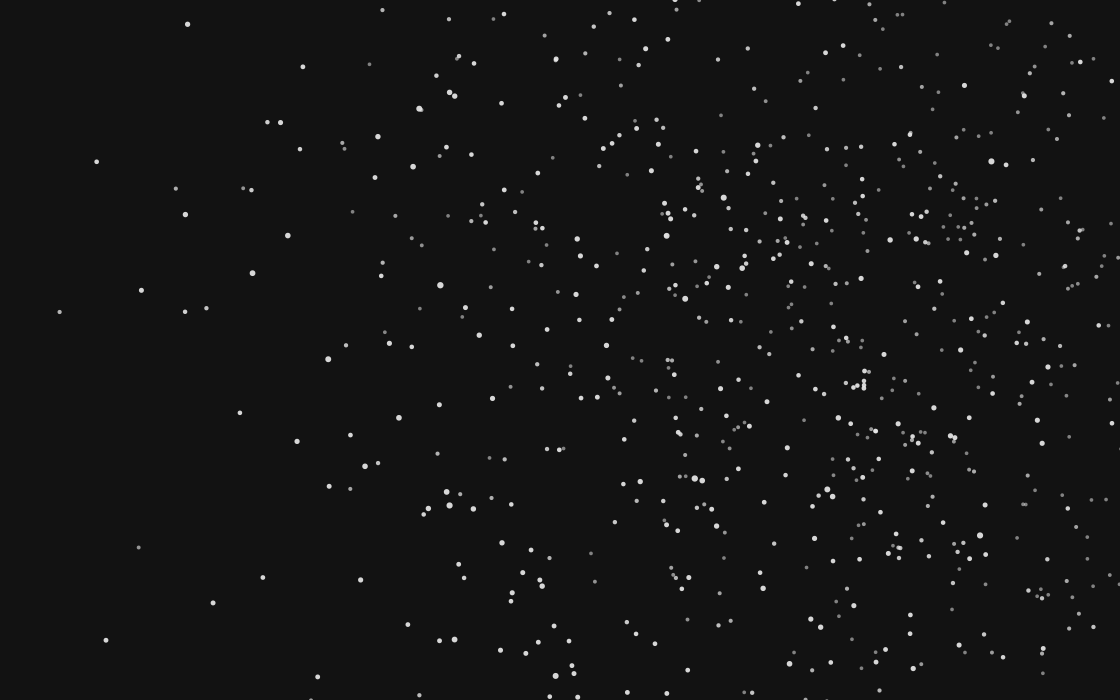
A sparse, offset composition beside sustained reading.
1,100 points · geometry.ts → field-void.svg · preserve the authored viewBox
02 / Placement
Give each image a job.
A whole form introduces. An edge explains. A quiet field makes room. These are authored derivatives, with the change of scale made explicit.
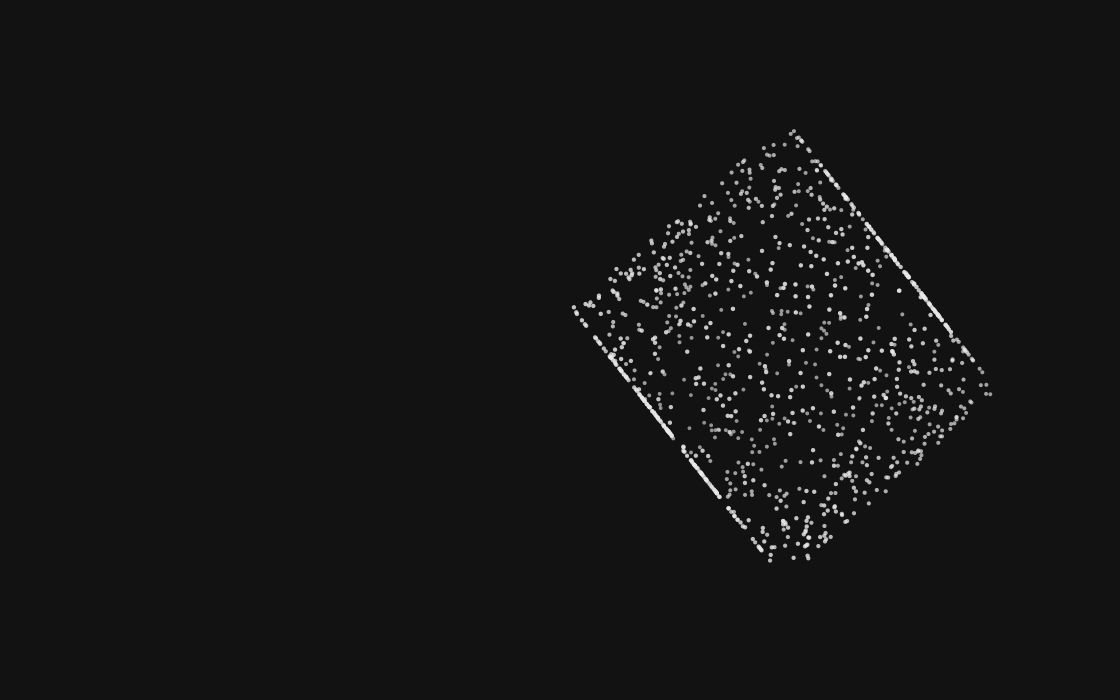
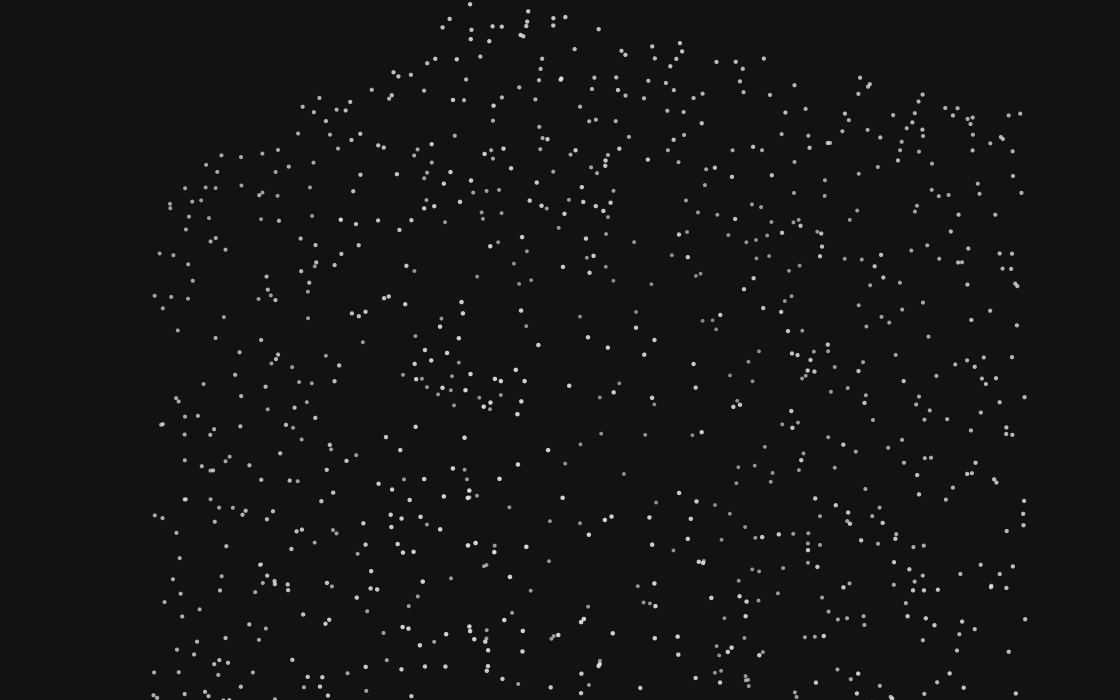
The reading interval.
Keep the text plane clear. Let a sparse field sit alongside a passage rather than compete with it. On a narrow screen, stack the image after the words.
03 / Sculptural sources
A source has a context.
These existing identity sources inform the particle masks and portrait studies. They are contextual material, not a stock library or evidence of client work.
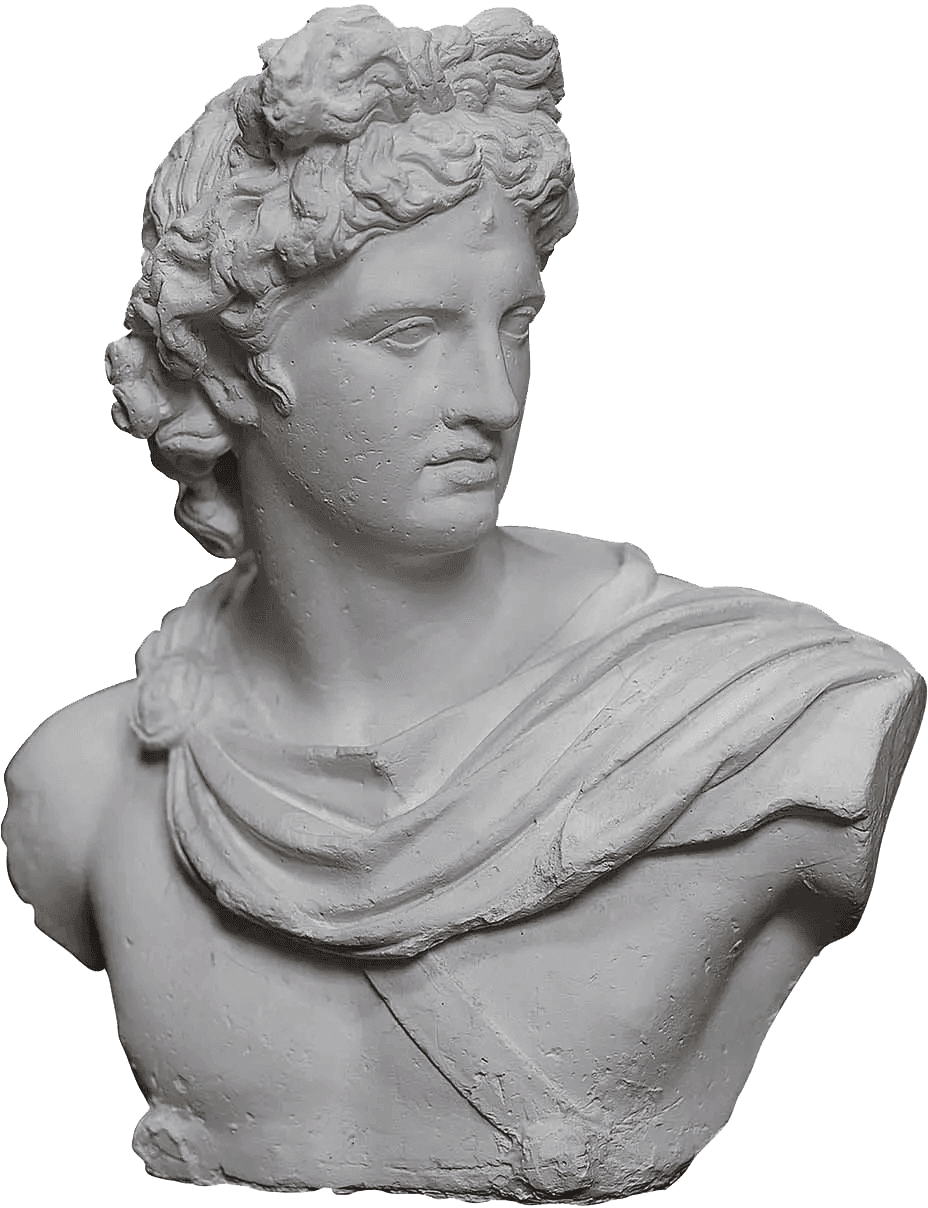
Apollo
frontend/src/lib/field/apollo-mask.ts
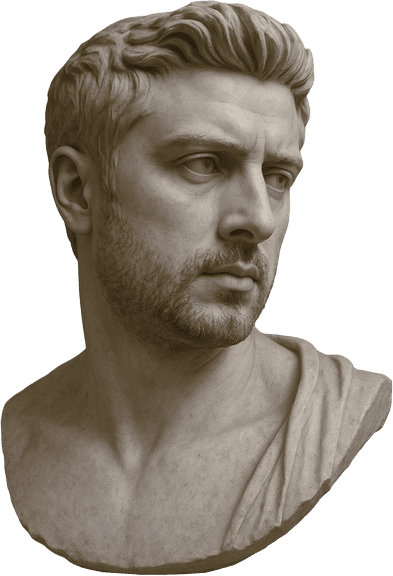
Founder study
frontend/src/lib/field/portrait.ts
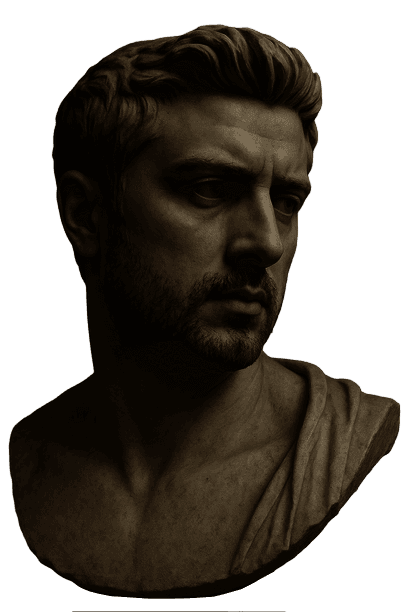
Portrait variation
frontend/src/lib/field/portrait-wide.ts
Source, use and motion.
The geometry lives in the repository; the still generator is scripts/generate-field-reference.cjs. Preserve the authored viewBox. Name a crop as a detail. Write alternative text for the image’s role in its actual placement; use empty alt text only when the image repeats nearby information.
RSH reference use is recorded here. No blanket redistribution licence is asserted. Existing portraits retain their project source and rights records; do not recast them as stock assets.
Movement needs an ending.
For animated use, test arrival, the transition and the quiet state. Keep the reading plane stable, respect reduced motion, and make play or replay deliberate. These reference specimens rest as still images; the full field experience belongs in its own context.
The design system, component catalog and this imagery reference are code-owned. Sanity owns editorial content separately. Source and placement records are available in the reference manifest.